
✨ Reducing Pet Care Costs: How Support Programs Benefit Seniors and Low-Income Families .
Rising costs in pet care have become a significant concern, especially for seniors and low-income families. Veterinary visits, medications, and essential procedures like spaying or neutering can quickly add up, putting financial pressure on households already managing tight budgets. Support programs are designed to address these challenges by making pet care more accessible and affordable, while ensuring that beloved pets receive the medical attention they need without their owners having to make difficult financial decisions.
🔍 Understanding Pet Insurance Support: Who Benefits and How
These support plans focus on easing the burden of pet care expenses for seniors and low-income households. The programs provide financial assistance for pet insurance, making basic veterinary care, emergency visits, and preventive treatments more affordable.
Key Benefits:
Reduced or low-cost coverage, especially for those receiving public assistance
Encouragement for regular veterinary check-ups
Prevention of more serious health issues through early care
Funding model reimburses clinics and insurers, increasing treatment capacity
This approach ensures owners don’t have to choose between their finances and their pet’s health. ✅
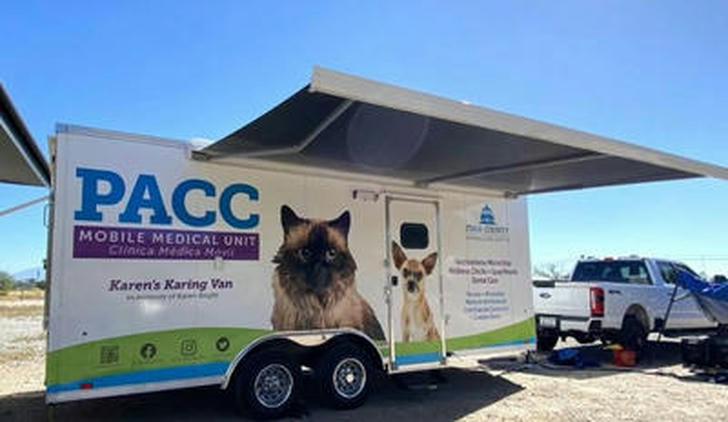
🚐 Accessing Low-Cost Veterinary Services Through Mobile Clinics
Mobile veterinary clinics play a vital role in delivering affordable pet care, particularly in underserved areas. Staffed by licensed veterinarians and technicians, these clinics provide essential services including:
| Services Offered | Notes |
|---|---|
| Spay/neuter procedures | qualifying individuals |
| Vaccinations | Included in essential care offerings |
| Microchipping | Available at a small additional fee |
| Community-based setup | Clinics operate within neighborhoods for accessibility |
Appointment slots are limited due to high demand and staffing shortages, often leading to waitlists. Public assistance proof can qualify for a reduction in the cost of sterilization surgery through public health funding. Alternatives are offered if spots are unavailable, ensuring pets receive needed care. 📊
✅ Eligibility Criteria and Enrollment Process for Subsidized Pet Care
To qualify for the program, pet owners must meet specific requirements designed to prioritize those in need:
| Eligibility Requirement | Details |
|---|---|
| Age of owner | 18 years or older |
| Household income | Low-income or receiving public assistance |
| Pet age and health | Between 2 months and 9 years old, no known medical issues |
| Documentation | Photo ID, proof of address, evidence of public assistance |
Enrollment Steps:
1.Complete an online eligibility survey
2.Add up to two pets to a virtual waitlist
3.Receive text notifications with instructions and appointment details
This structured process helps target subsidies effectively and facilitates smooth scheduling. 🔑
🎁 Additional Benefits: Vaccinations, Microchipping, and Post-Surgery Support
Beyond surgeries, support programs provide valuable extras to enhance pet health and owner peace of mind:
Nail trims and e-collars to assist in recovery
Optional microchipping at a minimal extra cost for enhanced identification
Small tattoo near the surgical site as a marker of spay/neuter status to prevent redundant surgery
Comprehensive aftercare instructions provided to reduce post-operative complications
These extras ensure well-rounded care and improve long-term outcomes for pets. 💡
⚠️ Navigating Challenges: Managing High Demand and Alternative Resources
The popularity of subsidized pet care programs creates challenges such as full waitlists and limited appointments. To address this, the program emphasizes:
Early enrollment to secure spots
Transparent communication about waitlist status and appointment updates
Redirecting owners to alternative low-cost clinics or national resources like SpayUSA when clinics are full
Providing timely notifications of cancellations due to weather or other factors
By combining public subsidies with community clinics and a broad support network, the program maximizes access to vital pet care services. 📌
🐾 Age-Based Support Guide for Pet Owners (18–70+)
👩🎓 Ages 18–29
Often first-time pet owners managing limited budgets
Best support: vaccination clinics, spay/neuter subsidies, low-cost wellness visits
Recommended action: enroll early in community clinics and preventive care programs
👩💼 Ages 30–44
Balancing family, housing, and pet expenses
Best support: insurance subsidies, preventive care bundles, emergency visit discounts
Recommended action: explore employer or community-sponsored pet care benefits
👨👩👧 Ages 45–59
Managing long-term pet health needs and aging pets
Best support: chronic condition care, dental services, medication discounts
Recommended action: seek bundled senior-pet care plans and subsidy programs
👩🦳 Ages 60–69
Often living on fixed or transitioning incomes
Best support: insurance assistance, wellness checkups, mobile veterinary clinics
Recommended action: register with local public or nonprofit pet care programs
🧓 Ages 70+
Mobility and transportation may be limited
Best support: home-visit services, mobile clinics, caregiver-assisted scheduling
Recommended action: prioritize clinics offering outreach and at-home care options