
🐾 Maximize Pet Care: Learn about government-funded pet assistance programs for seniors and low-income families in 2026
✨ Expanding Access to Affordable Pet Care for Seniors and Low-Income Families
Pet medical cost assistance & Weekly food allowance
Accessing veterinary care remains a major challenge for seniors and low-income families in the United States. High costs and limited insurance options push many to postpone or skip necessary pet treatments, putting both animal health and family well-being at risk. Connecting established programs such as the ASPCA’s national network and local low-cost clinics aims to break down these barriers. This initiative brings affordable, quality veterinary care within reach for vulnerable communities, promoting healthier pets and peace of mind for their owners.
🔍 Understanding the Challenges: Pet Care Barriers for Seniors and Low-Income Households
Limited income often forces seniors and low-income families to make tough choices between essential household needs and pet care. Veterinary costs for routine exams, vaccinations, or emergency treatments can exceed several hundred dollars, making them unattainable without assistance. Many households report skipping annual vet visits or delaying urgent care due to financial worries, which can lead to worsening health issues for pets.
• Key Consequences:
| Challenge | Impact on Pets and Families |
|---|---|
| High veterinary costs | Skipping vet visits, delayed treatments |
| Limited insurance options | Increased out-of-pocket expenses |
| Access difficulties | Especially acute in rural areas and for seniors with mobility issues |
| Result | Untreated illnesses, shorter pet lifespans, lower quality of life |
Another core obstacle is limited access to nearby veterinary services. Urban areas may have more clinics, but costs tend to be higher, while rural or economically disadvantaged regions often face both cost and accessibility challenges. Seniors, especially those with limited mobility, can have additional difficulties reaching clinics or arranging transportation. These barriers highlight an urgent need for systemic solutions that connect financial aid with practical, local veterinary support, ensuring every household can provide basic health care to their pets.
🔹 Accessible Resources for Low-Cost and Discounted Pet Food and Routine Care
Beyond emergency aid, many organizations offer ongoing assistance with everyday pet needs:
• Pet Food Programs: Meals on Wheels & local charities distribute low-cost or discounted pet food.
• Community Support: Volunteers via platforms like Nextdoor help with pet walking and vet transportation.
• Low-Cost Clinics: Animal shelters and veterinary schools provide affordable vaccinations and spay/neuter services.
• Affordable Care Services: Platforms such as Rover and Wag! offer budget-friendly pet sitting and grooming, including senior discounts.
📊 These resources significantly ease the routine financial burden of pet ownership.
📌 Overview of a Government-Assisted Pet Insurance Approach
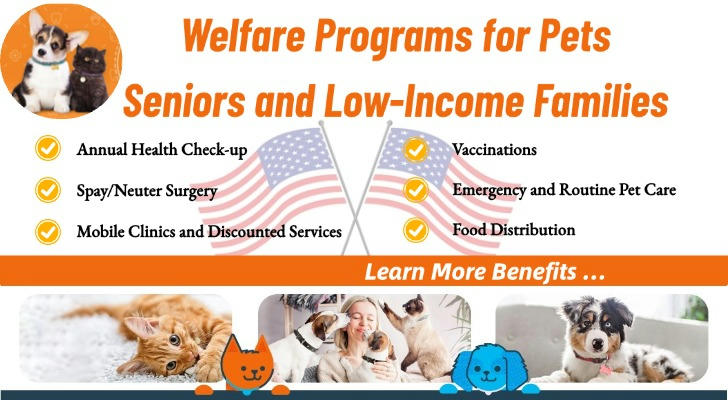
A government-assisted pet insurance approach offers a safety net targeting seniors and families facing financial constraints. Subsidizing preventive and essential treatments, this plan aims to reduce out-of-pocket expenses while increasing access to quality care.
✅ Coverage Benefits Include:
Annual wellness exams
Spay/neuter surgeries
Vaccinations
Treatment for common illnesses
An innovative feature of this approach is its integration with established providers such as the ASPCA and networks of community clinics, leveraging their experience in delivering affordable services. Eligibility typically focuses on household income and age, prioritizing seniors and low-income applicants. Enrollment is straightforward, with options for on-site sign-up during clinic visits or digital applications for those with internet access.
By removing financial and logistical hurdles, such programs offer practical support, aiming to keep more pets healthy and families secure.
💼 Leveraging ASPCA’s Nationwide Veterinary Network for Affordable Care
The ASPCA’s network plays a pivotal role in providing affordable pet healthcare infrastructure across the United States. It operates veterinary clinics in multiple cities, offering appointment-based services tailored to low-income and senior pet owners.
✅ ASPCA Services Include:
Urgent and routine pet care
Spay/neuter surgeries
Community-based support
Mobile clinics and discounted services
For example, clinics provide affordable primary care options and conduct outreach in neighborhoods with high financial need. This partnership not only increases accessible care locations but also ensures nationwide quality standards.
🎯 Choosing the Right Plan: Tailoring Coverage to Your Pet’s Needs
How to choose the right pet insurance terms based on your pet's age:
🔹 Puppies and Kittens (0-1 Year)
Young pets may be at risk for congenital diseases, such as parvovirus and feline leukemia. It's advisable to purchase comprehensive insurance that covers vaccinations, routine check-ups, and preventive care to minimize initial veterinary costs.
🔹 Young Adults (1-5 Years)
During this stage, pets remain relatively healthy but can develop allergies and dental issues. Opt for insurance that includes routine care and preventive treatments to address minor illnesses and emergency needs.
🔹 Adults (5-10 Years)
As pets enter middle age, they become more prone to obesity, arthritis, and heart disease. Insurance should cover a broader range of potential conditions, including chronic disease management and diagnostics.
🔹 Seniors (10+ Years)
Senior pets face higher risks of serious health issues, such as cancer and kidney disease. It is essential to select insurance that provides substantial coverage for long-term care and chronic illness treatment.
📊 Regional Low-Cost Veterinary Services: Case Studies from New York to Los Angeles
Regional programs demonstrate the effectiveness of targeted, locally adapted veterinary support in major cities:
| City / Region | Notable Programs | Services Provided |
|---|---|---|
| New York (Manhattan, Brooklyn, Bronx, Queens) | ASPCA Animal Hospital, community clinics | Affordable primary care, urgent treatments |
| Los Angeles | Spay/neuter clinics, mobile veterinary units | Focused on high-need neighborhoods |
| Miami & Western North Carolina | Community vet clinics, spay/neuter alliances | Discounted rates, subsidies for eligible owners |
These examples show how combining government assistance with local expertise meets unique community needs while maintaining consistent care quality. They act as scalable models for expanding affordable pet care access regionally.
🌟 How These Support Systems Promote Sustainable Pet Health and Community Well-Being
Government-assisted insurance efforts and community programs go beyond immediate care to build long-term animal welfare and stronger communities.
📈 Benefits Include:
Early disease detection reducing expensive emergencies
Spay/neuter programs controlling pet population growth, reducing shelter intake
Increased peace of mind for seniors and low-income families, improving emotional support
Educational opportunities promoting responsible pet ownership and preventive care
Ultimately, these initiatives improve individual pet health and strengthen overall community well-being, fostering compassion and resilience for both people and animals alike.